Narrative
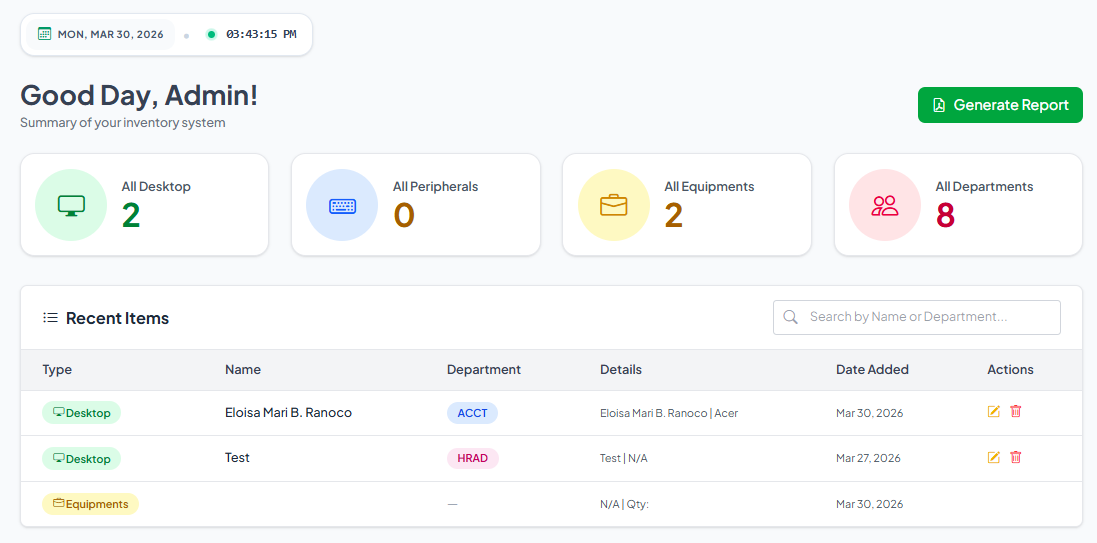
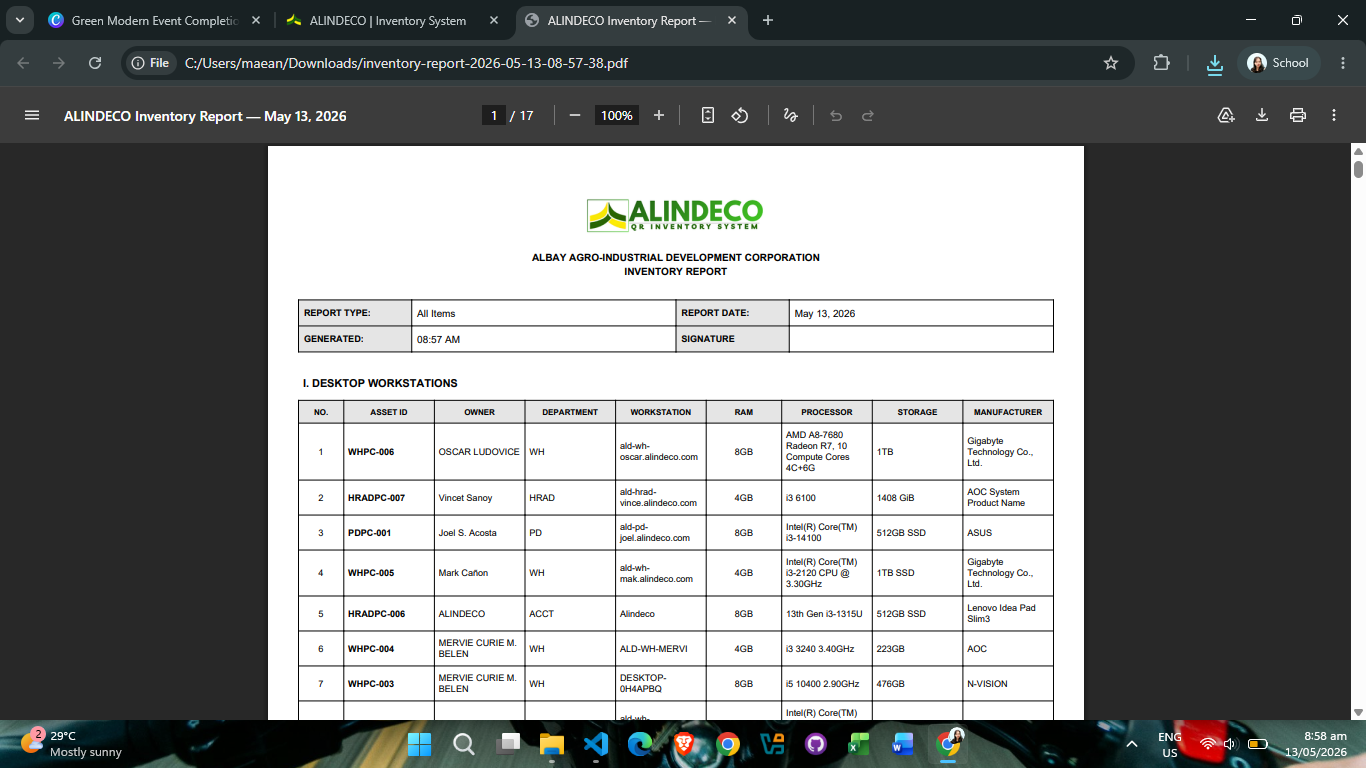
My seventh week was considerably shorter than usual, totaling only 24 hours logged due to the observance of the Holy Week break. Despite the compressed schedule, it was a highly productive period where I focused on finalizing several core system structures. The week officially started on March 30, where the primary task was to print the first batch of QR code samples directly generated from my Laravel project. This was a significant milestone, as it allowed us to conduct real-world physical testing of the tags on actual office equipment to verify print quality, scanning reliability, and the sizing of the generated tags.
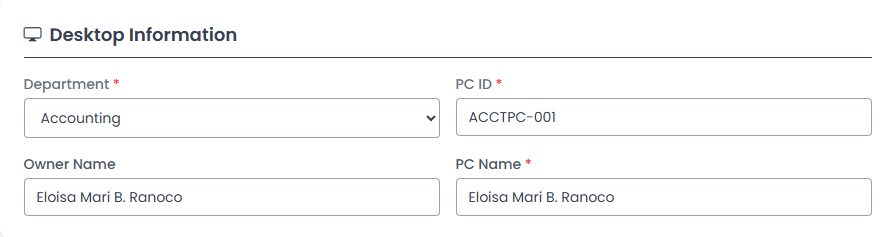
As development on the broader QR Inventory System continued throughout the day, my mentor reviewed the database flow and suggested a major structural change to simplify the overall architecture. Following best practices, I immediately created a new branch in Git to safely implement and test this significant overhaul without jeopardizing the stable working build. The task involved completely removing the separate "FFE" (Furniture, Fixtures, and Equipment) and "Peripheral" categories, opting instead to merge them into a single, unified "Asset" category. This transition meant carefully stripping out old, redundant related functions from the controllers, migrating database columns, and meticulously fixing the routing paths to match the newly streamlined structure so the frontend would not break.
On March 31, with the new unified asset structure running successfully, the core focus shifted entirely toward system security and access control. I integrated proper user authentication methods and began handling credentials via Laravel's built-in Auth capabilities. To ensure data integrity, I implemented route protection using middleware. Now, users must be explicitly authenticated and authorized before they can access the specific endpoints designed for creating, editing, updating, or deleting any inventory records. This added a fundamentally necessary layer of protection, guaranteeing that unauthorized users or site visitors cannot maliciously or accidentally alter the company's internal asset data.
April 1, my final working day before the long holiday break, was dedicated exclusively to UI/UX clean-ups and visual polishing. I wanted to leave the current build looking as professional as possible. I successfully reorganized the main asset header, grouping scattered elements into a single, clean `div` flex container for better responsiveness. Additionally, I fixed the inconsistent alignment and padding of action buttons across the different assets and departments views. Finally, I updated the primary data table layouts—adjusting their border colors and background schemes for superior readability and contrast—and extensively polished the user interface of the new authentication modal to provide a much smoother, sleeker login experience for the end users.